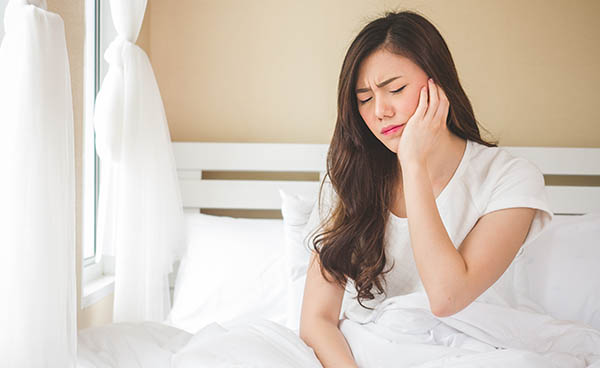
Apnea: A disturbing sleep disorder

In Canada, 1 person in 20, which represents 5% of the population, suffers from obstructive sleep apnea (OSA)*. It is a disorder that causes breathing to stop during sleep and includes various symptoms, such as headaches, difficulty concentrating, drowsiness, fatigue, etc.

To find out if you suffer from OSA, you should consult a doctor for a sleep test and diagnosis. They may prescribe a mandibular advancement splint to clear the airway during the night. This type of treatment must be performed by a dentist, as a generic, ill-fitting splint can lead to serious obstruction problems.

In the meantime, until your next visit to the doctor, be proactive by adopting healthy lifestyle and sleep habits, such as:

  • Getting up and going to bed at the same time in the morning and in the evening
  • Reducing the amount of time you spend in bed not sleeping
  • Limiting exposure to screens (TV, computer, game console) in the evening
  • Relaxing with a bath or meditation session before bedtime

Need some advice? The professionals at the Dr. Lechner Sleep Health Clinic are here to help!

*Source: Guide Apnée obstructive du sommeil: Information pour le patient avisé, published by the Collège des médecins du Québec, Ordre des dentistes du Québec and Ordre professionnel des inhalothérapeutes du Québec.

Bruxism: Understanding Its Impact on Sleep, Health, and Quality of Life

When Teeth Grinding Affects More Than Just Your Smile

Bruxism is a common yet often misunderstood condition that can significantly affect oral health, sleep quality, and overall well-being. Frequently dismissed as a harmless habit, teeth grinding or clenching can, over time, lead to chronic pain, dental damage, disrupted sleep, and a reduced quality of life.

At the Santé Sommeil Dr Lechner Clinic, we take a comprehensive approach to the screening and management of bruxism—particularly sleep-related bruxism—recognizing its close relationship with sleep disorders and general health.

Understanding bruxism is the first step toward protecting your teeth, improving your sleep, and restoring long-term comfort.

What Is Bruxism?

Bruxism is an involuntary muscle activity characterized by clenching or grinding of the teeth. It can occur:

  • During the day (awake bruxism), often linked to stress, concentration, or emotional tension
  • At night (sleep bruxism), during sleep, without the person being aware

Sleep bruxism is classified as a sleep-related movement disorder. It is typically associated with brief awakenings and increased activity of the jaw muscles during sleep.

A Common but Often Undiagnosed Condition

Many people with bruxism are unaware they have it. In many cases:

  • A bed partner notices grinding noises at night
  • A dentist observes abnormal tooth wear
  • The patient seeks care for unexplained jaw pain or headaches

Because symptoms develop gradually, bruxism can go unnoticed for years, allowing damage to accumulate silently.

Possible Causes of Bruxism

Bruxism is considered a multifactorial condition, meaning there is rarely a single cause. Instead, several contributing factors may interact.

Common contributing factors include:

  • Psychological stress and anxiety
  • Sleep disorders (such as obstructive sleep apnea)
  • Sleep fragmentation and micro-arousals
  • Jaw or bite-related factors
  • Neurological influences
  • Stimulants such as caffeine or nicotine

In dental sleep medicine, sleep bruxism is frequently associated with sleep-disordered breathing, suggesting that it may sometimes be a response to airway instability during sleep.

How Bruxism Affects Daily Life

Symptoms That Are Often Overlooked

People with bruxism may experience:

  • Jaw pain or tightness, especially in the morning
  • Temple or facial pain
  • Frequent headaches
  • Neck and shoulder tension
  • Difficulty opening the mouth fully
  • A feeling of fatigue upon waking

These symptoms may appear mild at first but can become persistent and disruptive over time.

Reduced Quality of Life

Living with untreated bruxism can significantly affect quality of life, both physically and emotionally:

  • Chronic pain interfering with daily activities
  • Difficulty chewing or enjoying certain foods
  • Reduced concentration and productivity
  • Irritability and mood changes
  • Persistent fatigue

When pain and poor sleep become part of daily life, overall well-being is compromised.

Risks to Oral Health

Bruxism is one of the leading causes of premature dental damage.

Potential dental consequences include:

  • Excessive enamel wear
  • Tooth fractures or cracks
  • Increased tooth sensitivity
  • Loosening of teeth
  • Repeated failure of dental restorations (fillings, crowns, bridges)

Impact on the Jaw Joint (TMJ)

Excessive clenching places constant stress on the temporomandibular joint (TMJ), which may lead to:

  • Joint pain or inflammation
  • Clicking or popping sounds
  • Jaw locking
  • Limited mouth opening
  • Temporomandibular disorders (TMD)

Effects on General Health

Bruxism does not affect only the teeth and jaw. It can influence overall health as well.

Musculoskeletal Pain

Overactive jaw muscles can trigger tension that radiates to the neck, shoulders, and upper back, contributing to chronic musculoskeletal discomfort.

Fatigue and Sleep Disruption

Sleep bruxism is often associated with micro-arousals, even if the individual does not consciously wake up. These repeated interruptions reduce sleep quality and prevent deep, restorative sleep.

The Relationship Between Bruxism and Sleep

Sleep Bruxism as a Sleep-Related Disorder

Unlike daytime clenching, sleep bruxism occurs unconsciously during sleep and is closely linked to the nervous system. It often appears during lighter stages of sleep and may follow breathing disturbances.

In many patients, bruxism may be a sign of an underlying sleep disorder, such as:

  • Obstructive sleep apnea
  • Upper airway resistance
  • Fragmented or non-restorative sleep

Identifying this connection is essential for effective and long-term management.

How Bruxism Affects Overall Well-Being

Poor sleep combined with chronic muscle pain can lead to:

  • Reduced daytime energy
  • Difficulty focusing and concentrating
  • Decreased work performance
  • Emotional instability or irritability
  • A constant feeling of exhaustion

Because sleep plays a central role in physical and mental health, bruxism-related sleep disruption can affect nearly every aspect of daily life.

The Dentist’s Role in Detecting Bruxism

Dentists are often the first healthcare professionals to identify bruxism through routine examinations.

Clinical signs may include:

  • Abnormal tooth wear patterns
  • Flattened biting surfaces
  • Enlarged or tense jaw muscles
  • Tooth fractures or cracks
  • Pain upon muscle palpation

At the Santé Sommeil Dr Lechner Clinic, bruxism screening is an integral part of a comprehensive sleep and oral health evaluation, especially when sleep-related symptoms are present.

A Comprehensive and Personalized Approach

Managing bruxism involves more than simply protecting the teeth. A successful approach aims to:

  • Reduce muscle activity and pain
  • Improve sleep quality
  • Identify contributing factors
  • Preserve oral and overall health

Management options may include:

  • Custom-made oral appliances
  • Evaluation for associated sleep disorders
  • Stress management strategies
  • Regular clinical monitoring and follow-up

Each treatment plan is tailored to the patient’s specific needs and clinical findings.

The Importance of Ongoing Follow-Up

Bruxism is often a long-term condition that can change over time. Regular follow-up care allows clinicians to:

  • Monitor tooth wear and jaw health
  • Adjust appliances as needed
  • Prevent long-term complications
  • Ensure sustained comfort and effectiveness

Consistent monitoring plays a key role in protecting both oral health and quality of life.

The Vision of Santé Sommeil Dr Lechner Clinic

At the Santé Sommeil Dr Lechner Clinic, we believe bruxism should never be dismissed as a minor issue. Our philosophy is based on:

  • Early detection and prevention
  • A global understanding of the patient
  • Integration of sleep health into dental care
  • Personalized, evidence-based solutions
  • Long-term patient support

By addressing both the symptoms and the underlying contributors, we aim to restore comfort, improve sleep, and enhance overall well-being.

Conclusion

Bruxism is far more than teeth grinding. It is a complex condition that can negatively affect oral health, sleep quality, general health, and quality of life.

Early identification, proper evaluation, and personalized management can help prevent dental damage, reduce pain, and improve sleep and daily functioning.

At the Santé Sommeil Dr Lechner Clinic, we are committed to helping our patients regain comfort, balance, and restorative sleep through a comprehensive and specialized approach.

Healthy sleep and a healthy smile go hand in hand—and it all begins with the right evaluation.


COVID and anxiety: Do you recognize yourself?

Let's face it, many of us are living the present pandemic with anxiety, one of the risk factors associated with sleep disorders. The worry of contracting the virus, uncertainty about the future, or even simply our schedule being disrupted by confinement are all triggers.

In addition to affecting the quality of our sleep, by causing nightmares and insomnia for example, anxiety and stress can also promote the onset of bruxism, which is the grinding of your teeth.* During sleep, bruxism is characterized by repetitive or sustained contractions of the closing muscles of the jaw. Bruxism can be limited to teeth grinding only. In both cases, clenching your teeth causes several clinical manifestations, including:

  • Generalized wear of the dentition
  • Dental fractures
  • Dental abfractions (loss of the hard tissue of the tooth, including tooth enamel and dentin)
  • An acceleration of the loss of bone structure supporting the teeth
  • Joint and/or nocturnal noises disturbing the household

As the sleeper is unconscious, it is impossible to keep them from grinding their teeth! Although there is no treatment to cure it, it is possible to reduce or relieve the symptoms by wearing an occlusal plate like the one you see here.

It comes in the form of an acrylic mouth guard that can be worn day or night, which prevents the upper and lower teeth from coming into contact. The jaw muscles can finally relax.

Have you been waking up with:

  • A clenched jaw?
  • A headache?
  • Sensitive teeth?

If you think you have bruxism, our professionals can diagnose it by examining your dentition and jaw muscles. They can also provide recommendations and make a custom-made mouth guard for you. Don't wait for your dental problems to increase your anxiety levels tenfold.  Book an appointment while anti-pandemic measures still allow for consultations.

*Source: Mabouchensanté.com de l'Ordre des dentistes du Québec, Troubles et maladies: Le bruxisme [Online] https://www.maboucheensante.com/article/le-bruxisme/

(page consulted on September 23, 2020).

Do you know about parasomnias?

Are you having nightmares? Experiencing insomnia? Do you have the sensation that you’re falling through the air when you fall asleep? Or do you grind your teeth at night? All these symptoms belong to the same category of disorders, which are called parasomnias, or sleep disorders.

All categories combined, parasomnias affect about 4% of adults and 17% of children.1 There are several parasomnias with varying levels of severity, but they have one thing in common: most people asleep are unaware of their actions. Sleepwalking is a well-known example of an unconscious parasomnia. Parasomnias occur during sleep, but more commonly when a person begins to fall asleep or wake up. They usually last about 30 minutes.

Here is a list of the most common parasomnias:

  • Insomnia: It is estimated that one in 10 Canadians suffers from insomnia, which is not trivial!2
  • Night terrors and nightmares: The sleeper starts screaming and becomes agitated under the effect of fear (a disorder more common in children, most likely).
  • Snoring: Did you know that this disorder affects men more than women, but not exclusively?
  • Sleep apnoea: These respiratory stops during sleep can unfortunately lead to serious health problems.
  • Somniloquy: Many adults suffer from this disorder, which is prevalent in childhood. It makes you talk or scream while sleeping. It’s not enjoyable for your bedmate, however...
  • Sensory hallucinations (or hypnagogic): These occur when the body falls asleep before the brain. The sensation of falling through the air when going to sleep belongs to this category!
  • Bruxism: This is the grinding of the teeth at night, which can lead to tooth wear and jaw pain.

Did you know that most parasomnias occur during the Rapid Eye Movement (REM) phase of your sleep, when your brain is active and our body relaxed? During a normal night’s sleep of 8 hours, you go into the REM phase 4 to 5 times, or up to 25% of your time asleep.

Causes and risk factors

Parasomnias have different causes and risk factors ranging from mild to more serious. They are often due to:

  • Anxiety or overwork
  • Sleep deprivation or jet lag
  • Taking medication or drugs
  • A disease
  • Genetics

Some parasomnias are even considered a warning sign of certain degenerative diseases, such as Parkinson's disease.

When should you see a doctor?

Without worrying too much, it is better to consult a doctor when a parasomnia manifests itself too regularly, especially in adults. You can seek the opinion of a doctor or a psychologist. You can also contact a dentist who is familiar with these disorders, since snoring, apnoea and bruxism often have a cause or a dental impact. A sleep professional can make a diagnosis, assess your oral health and advise you, for example, about the use of a custom-made oral appliance to reduce the disorder and its side effects.

When parasomnia speaks to you, you should listen—and take action!

---

1 Physiopathologie du somnambulisme, Université de Montréal [Online] https://papyrus.bib.umontreal.ca/xmlui/handle/1866/21157 (page viewed November 5, 2020).

2 Prevalence of insomnia for Canadians aged 6 to 79, Statistics Canada [Online] https://www150.statcan.gc.ca/n1/en/catalogue/82-003-X201801200002 (page viewed November 5, 2020).

Hello, meditation. Goodbye, pain!

Regular meditation does not only improve your mental health but also boosts your mood. Some studies1 suggest that it helps reduce anxiety, addiction, chronic pain, and blood pressure—all while improving memory, awareness and harmony in interpersonal relationships. Eight weeks of practice is more than enough to reduces stress and anxiety, or help you concentrate. Regularly meditating can even help to partially block1 the sensation of pain, which is very common during a toothache.

1Mindfulness meditation-related pain relief: Evidence for unique brain mechanisms in the regulation of pain,” Neuroscience Letters, Volume 520, Number 2, June 29, 2012, F. Zeidan, J.A. Grant, C.A. Brown, J.G. McHaffie, R.C. Coghill.

Is sleep important?

Did you know that we spend a third of our lives sleeping? Sleep is considered to be one of the three pillars of long-term good health, alongside healthy eating and active living. However, many see it as a waste of time; people sleep on average one hour less per day than their physiological needs. Good sleep is more than restorative. While sleeping, your body produces a growth hormone that helps children to mature and the time spent sleeping helps the brain to assimilate whatever was learned during the day—at any age! Also, your body secretes a hormone called leptin, which decreases the feeling of being hungry. Sleeping therefore helps reduce the risk of becoming overweight!

Migraines, the silent enemy

Do you suffer from migraines that are affecting your quality of life? Did you know that these can be caused by a simple sleep disorder? In addition to severe headaches, there are tell-tale symptoms related to lack of sleep:

  • Painful jaws when you wake up
  • Difficulty opening your mouth when you wake up
  • Sensitive or worn teeth
  • Stiffness of the next
  • Muscle tension in the head region

The experts at Clinique Sommeil Santé and Dr. Lechner offer several proven and effective solutions. The NTI-tss system has provided relief to more than one and a half million patients around the world. This system requires no medication and has no side effects. It enables you to wear a patented appliance that keeps your teeth from clenching and protects them. This treatment works directly on the intense muscle contraction that occurs at night without your knowledge—and attacks the source of your pain. It provides relieve after only a few days of use and the symptoms, including migraines, gradually diminish in severity or fade away altogether. Why suffer when you can consult one of our experts and say goodbye to migraines?

Migraines: More Than Just a Headache

Understanding the Pain, the Causes, and How Dentists Can Help

Migraines are often misunderstood and minimized as “just headaches.” For those who suffer from them, however, migraines are a complex and often debilitating condition that can significantly disrupt daily life, sleep, and overall well-being. Intense pain, nausea, sensitivity to light or sound, fatigue, and a general sense of malaise are only part of the experience.

At the Santé Sommeil Dr Lechner Clinic, we take a comprehensive approach to migraine care, recognizing that in many patients, migraines are closely linked to jaw function, muscle tension, bruxism, and sleep disturbances. In these cases, the dentist plays an important and complementary role in evaluation and management.

Migraines: A Complex Neurological Condition

More Than a Simple Headache

Migraines are a neurological disorder characterized by recurring episodes of head pain that are often:

  • Throbbing or pulsating
  • Localized on one side of the head or around the temples
  • Accompanied by nausea or digestive discomfort
  • Associated with sensitivity to light (photophobia)
  • Sensitivity to sound (phonophobia)
  • Sometimes preceded by visual or sensory disturbances (aura)

Unlike tension headaches, migraines can last from several hours to several days and may severely limit a person’s ability to function.

Living With Migraines: A Real Impact on Quality of Life

People who suffer from migraines often describe:

  • Intense, exhausting pain
  • The need to lie down in a dark, quiet environment
  • Difficulty working or concentrating
  • Persistent fatigue even after the attack ends
  • Anxiety related to anticipating the next episode

Over time, migraines can affect professional performance, social relationships, family life, and emotional health, leading to a significant reduction in quality of life.

Different Causes and Triggers of Migraines

Migraines rarely have a single cause. They usually result from a combination of neurological, physical, and environmental factors.

Common causes and triggers include:

  • Genetic and neurological predisposition
  • Emotional stress and anxiety
  • Sleep disorders and poor sleep quality
  • Hormonal fluctuations
  • Dietary factors or dehydration
  • Chronic muscle tension
  • Jaw misalignment or dysfunction
  • Bruxism (teeth clenching or grinding)

This is where dental health—and especially jaw and muscle function—becomes highly relevant.

The Link Between Migraines, the Jaw, and Muscles

The Role of the Temporomandibular Joint (TMJ)

The temporomandibular joint (TMJ) connects the lower jaw to the skull and works in coordination with a complex network of muscles and nerves.

When this system is overloaded or dysfunctional, it can lead to:

  • Pain radiating to the temples
  • Frequent headaches
  • Facial pain
  • Neck and shoulder tension
  • A feeling of pressure or heaviness in the head

In some patients, these musculoskeletal issues can trigger or worsen migraine attacks.

Bruxism and Clenching: Often Overlooked Contributors

Bruxism, especially during sleep, causes excessive activation of the jaw muscles. This chronic muscle overuse can:

  • Maintain constant muscle tension overnight
  • Prevent full muscular relaxation during sleep
  • Cause morning jaw pain and headaches
  • Contribute to poor sleep quality

When sleep is disrupted and muscles remain tense, the nervous system becomes more reactive—creating favorable conditions for migraine development.

The Dentist’s Role in Migraine Evaluation

Dentists do far more than treat teeth. Dentists trained in dental sleep medicine and orofacial pain are qualified to assess:

  • Dental occlusion (how the teeth come together)
  • Jaw position and mobility
  • Muscle activity and tenderness
  • Temporomandibular joint function
  • Signs of bruxism or clenching

At the Santé Sommeil Dr Lechner Clinic, this detailed evaluation helps determine whether a jaw-related or muscular component may be contributing to a patient’s migraines.

A Complementary Approach—Not a Replacement for Medical Care

It is important to clarify that dentists do not replace physicians or neurologists in diagnosing migraines. Instead, dental care plays a complementary role, particularly when:

  • Migraines are associated with jaw or facial pain
  • Headaches occur frequently upon waking
  • Bruxism or clenching is present
  • Muscle tension is a consistent trigger
  • Medications alone are insufficient

A multidisciplinary approach often leads to better outcomes.

Dental Muscle Deprogramming Appliances

What Is a Dental Deprogrammer?

dental deprogrammer is a small oral appliance designed to reduce excessive muscle activity and limit involuntary clenching.

It works by:

  • Reducing harmful tooth contacts
  • Allowing jaw muscles to relax
  • Decreasing pressure on the TMJ
  • Helping reset neuromuscular patterns

This muscular “reset” can significantly reduce head and facial pain in selected patients.

NTI-tss MD: What Is It?

The NTI-tss MD (Nociceptive Trigeminal Inhibition – Tension Suppression System) is a specific type of dental deprogrammer used in the management of:

  • Migraines
  • Tension-type headaches
  • Bruxism
  • Jaw muscle overactivity

How Does the NTI-tss MD Work?

  • It fits over the front teeth (incisors)
  • It prevents posterior tooth contact
  • It limits maximum clenching force
  • It reduces stimulation of the trigeminal nerve
  • It promotes overall muscle relaxation

For carefully selected patients, this mechanism may help reduce the frequency and intensity of migraine attacks.

Who May Benefit From an NTI-tss MD?

This type of appliance may be considered when:

  • Migraines are linked to jaw tension or muscle pain
  • Bruxism or clenching is present
  • Pain is localized around the temples or face
  • Headaches occur frequently in the morning
  • Clinical evaluation supports a muscular component

Careful patient selection and professional supervision are essential.

The Clinical Process at Santé Sommeil Dr Lechner Clinic

1. Comprehensive Evaluation

  • Review of migraine history and symptoms
  • Jaw and muscle examination
  • TMJ assessment
  • Occlusal analysis
  • Screening for bruxism and sleep disorders

2. Interdisciplinary Collaboration

When appropriate, collaboration with:

  • Physicians
  • Neurologists
  • Physiotherapists
  • Other healthcare professionals

3. Appliance Fabrication and Adjustment

  • Custom-made NTI-tss MD
  • Precise fitting and patient education
  • Progressive adjustments if required

4. Structured Follow-Up

  • Monitoring symptom response
  • Adjusting the treatment plan
  • Ensuring comfort and occlusal safety

Potential Benefits for Patients

In properly selected cases, patients may experience:

  • Reduced jaw and muscle tension
  • Fewer migraine episodes
  • Lower intensity of attacks
  • Improved morning comfort
  • Better sleep quality
  • Enhanced overall well-being

Results vary, but for many patients, addressing the dental and muscular component is a meaningful step forward.

A Global and Patient-Centered Philosophy

At the Santé Sommeil Dr Lechner Clinic, we believe migraines must be approached holistically, considering:

  • Sleep quality
  • Stress levels
  • Jaw function
  • Muscle activity
  • The patient’s lived experience

Each patient receives a personalized care plan tailored to their specific condition and needs.

Conclusion

Migraines are far more than simple headaches. They are a complex condition that can deeply affect daily life, sleep, and overall health. In many patients, jaw dysfunction, muscle tension, and bruxism play an important role in triggering or worsening migraine attacks.

Through thorough evaluation and the use of tools such as dental deprogrammers and the NTI-tss MD, dentists can contribute meaningfully to migraine management—always in collaboration with medical care.

At the Santé Sommeil Dr Lechner Clinic, our goal is to help patients better understand their pain, reduce symptoms, and regain balance—both day and night.


Mild to Moderate Sleep Apnea: Oral Appliance Therapy – A Comfortable and Effective Solution

Obstructive Sleep Apnea (OSA) is a common yet often underdiagnosed sleep-related breathing disorder that can significantly affect sleep quality, daily functioning, and overall health. Even in its mild to moderate forms, sleep apnea can lead to chronic fatigue, impaired concentration, and long-term health risks if left untreated.

At Santé Sommeil Dr Lechner Clinic, one of the most popular and well-tolerated treatment options for mild to moderate OSA is the mandibular advancement oral appliance, particularly the SomnoDent Avant. This modern, custom-made device offers an effective, comfortable, and discreet alternative to traditional CPAP therapy for many patients.

Understanding Mild to Moderate Obstructive Sleep Apnea

Obstructive Sleep Apnea occurs when the upper airway repeatedly collapses or becomes blocked during sleep, leading to pauses in breathing (apneas) or shallow breathing episodes (hypopneas). These events reduce oxygen levels and fragment sleep through frequent micro-arousals, often without the patient being aware.

Common Symptoms of Mild to Moderate OSA

Even when classified as mild or moderate, OSA can cause:

  • Loud or habitual snoring
  • Non-restorative sleep
  • Morning fatigue
  • Daytime sleepiness
  • Difficulty concentrating or memory issues
  • Morning headaches
  • Irritability or mood changes

Over time, untreated sleep apnea may contribute to cardiovascular disease, hypertension, metabolic disorders, and reduced cognitive performance.

Treatment Options: Beyond CPAP

Continuous Positive Airway Pressure (CPAP) therapy is widely known as the gold standard treatment for sleep apnea. While highly effective, CPAP is not suitable or tolerable for everyone—particularly patients with mild to moderate OSA who may struggle with mask discomfort, noise, or compliance.

For these patients, oral appliance therapy offers a clinically recognized and evidence-based alternative.

What Is an Oral Appliance for Sleep Apnea?

An oral appliance, also known as a mandibular advancement device (MAD), is a custom-made dental appliance worn during sleep.

How It Works

The appliance gently positions the lower jaw (mandible) forward, which helps to:

  • Keep the airway open
  • Prevent collapse of soft tissues in the throat
  • Reduce snoring
  • Decrease the frequency and severity of apnea and hypopnea events

By stabilizing the airway, oral appliances promote smoother breathing, improved oxygenation, and more restful sleep.

A Recognized Treatment for Mild to Moderate OSA

Oral appliance therapy is supported by clinical guidelines and is widely recommended for:

  • Patients with mild to moderate obstructive sleep apnea
  • Individuals with chronic snoring
  • Patients who cannot tolerate or refuse CPAP therapy
  • Those seeking a less invasive and more discreet treatment option

Diagnosis and treatment selection are typically based on a sleep study and coordinated with a sleep physician.

The SomnoDent Avant: A Preferred Oral Appliance

At Santé Sommeil Dr Lechner Clinic, we prioritize high-quality, clinically proven appliances. The SomnoDent Avant stands out for its exceptional balance of comfort, effectiveness, and durability, making it one of the most appreciated devices among our patients.

Superior Comfort

  • Slim, lightweight design
  • Minimal bulk for enhanced nighttime comfort
  • Excellent patient tolerance, even during the first nights
  • Designed to allow natural jaw movement

Comfort is essential for long-term adherence, and the SomnoDent Avant is engineered with patient comfort in mind.

Precise and Progressive Adjustment

One of the key advantages of the SomnoDent Avant is its adjustable mandibular advancement system, which allows:

  • Gradual forward positioning of the lower jaw
  • Personalized treatment based on patient anatomy and symptoms
  • Reduced risk of jaw or muscle discomfort
  • Optimization of therapeutic effectiveness

Each appliance is custom fabricated using precise dental impressions to ensure accuracy and comfort.

Stability and Long-Term Durability

  • Secure retention on the teeth
  • High-quality, biocompatible materials
  • Designed for nightly, long-term use
  • Resistant to wear from normal jaw movement

This stability ensures consistent therapeutic results night after night.

Who Is a Good Candidate for Oral Appliance Therapy?

Oral appliance therapy is generally recommended for:

  • Patients diagnosed with mild to moderate obstructive sleep apnea
  • Chronic snorers without severe apnea
  • Patients intolerant of CPAP therapy
  • Individuals seeking a discreet, portable, and non-invasive solution
  • Active patients and frequent travelers

A comprehensive evaluation is always required to confirm that oral appliance therapy is appropriate for your specific condition.

A Rigorous, Personalized Approach at Santé Sommeil Dr Lechner

Successful oral appliance therapy depends on much more than simply wearing a device. At Santé Sommeil Dr Lechner Clinic, we follow a structured, evidence-based clinical protocol to ensure safety, comfort, and long-term success.

Our approach includes:

  • A detailed dental and occlusal evaluation
  • Assessment of jaw mobility and temporomandibular joint health
  • Custom fabrication of the oral appliance
  • Progressive, controlled adjustments
  • Regular clinical follow-ups
  • Close collaboration with sleep physicians when required

This comprehensive approach is essential to achieving optimal outcomes and minimizing side effects.

Patient Benefits and Real-Life Improvements

Patients treated with oral appliances frequently report:

  • Significant reduction or elimination of snoring
  • Improved sleep quality
  • Increased daytime energy
  • Better focus and cognitive performance
  • Enhanced overall well-being
  • Greater treatment compliance compared to CPAP

For many patients, the simplicity and comfort of an oral appliance lead to better long-term adherence.

Discreet Treatment That Fits Your Lifestyle

Compared to other sleep apnea treatments, oral appliances offer several practical advantages:

  • Silent operation
  • No electricity required
  • Easy to travel with
  • Minimal impact on bed partners
  • Simple nightly routine

These features make oral appliance therapy particularly appealing for patients who value convenience and discretion.

Summary

✔ Clinically recognized treatment for mild to moderate sleep apnea
✔ Effective reduction of snoring and breathing disturbances
✔ Comfortable, discreet, and custom-made solution
✔ Proven alternative for CPAP-intolerant patients
✔ Specialized follow-up in dental sleep medicine

Better sleep starts with the right treatment.

Schedule a consultation to find out whether oral appliance therapy is right for you.

Screening, Evaluation, and Support for Sleep Disorders

The Essential Role of the Dentist in Dental Sleep Medicine

Sleep disorders affect a growing number of people across Canada and North America. Persistent fatigue, loud snoring, daytime sleepiness, poor concentration, and non-restorative sleep are often dismissed as part of a busy lifestyle or aging. However, these symptoms may be warning signs of underlying sleep disorders, including obstructive sleep apnea.

While the medical diagnosis of sleep disorders is traditionally made by physicians, dentists trained in dental sleep medicine now play a crucial role in the early screening, clinical evaluation, patient guidance, and long-term management of sleep-related breathing disorders.

At the Santé Sommeil Dr Lechner Clinic, this integrated approach allows for early identification of sleep disorders and the delivery of personalized, evidence-based treatment options that improve both sleep quality and overall health.

Sleep Disorders: A Growing and Underrecognized Health Issue

Sleep disorders encompass a wide range of conditions, including:

  • Obstructive sleep apnea (OSA)
  • Chronic snoring
  • Sleep-related breathing disorders
  • Sleep bruxism
  • Fragmented or non-restorative sleep

Among these, obstructive sleep apnea is one of the most common and clinically significant. It is characterized by repeated collapse or obstruction of the upper airway during sleep, leading to breathing pauses, reduced oxygen levels, and frequent micro-arousals throughout the night.

If left untreated, sleep disorders—particularly OSA—can contribute to serious health consequences, including cardiovascular disease, metabolic disorders, impaired cognitive function, and reduced quality of life.

Why Dentists Play a Key Role in Sleep Disorder Screening

Dentists are often the healthcare professionals patients see most regularly. This frequent contact places dentists in a unique position to identify early signs of sleep disorders, even before patients seek medical attention for sleep-related complaints.

Expertise in Oral and Airway Anatomy

Dentists have extensive training in the anatomy and function of structures directly involved in sleep-disordered breathing, including:

  • The jaw and mandibular position
  • Dental occlusion
  • The tongue and soft tissues
  • The upper airway
  • The temporomandibular joints (TMJ)

These anatomical factors play a central role in the development of many sleep-related breathing disorders.

Clinical Signs Observed During Dental Examinations

During routine dental visits, a dentist trained in dental sleep medicine may observe clinical indicators associated with sleep disorders, such as:

  • Tooth wear related to sleep bruxism
  • Enlarged or scalloped tongue
  • Narrow or high-arched palate
  • Retruded lower jaw (retrognathia)
  • Chronic inflammation of oral tissues
  • Signs of mouth breathing

When combined with patient-reported symptoms, these findings can strongly suggest an underlying sleep disorder.

Screening: The First and Most Critical Step

Structured Patient Interviews and Questionnaires

At the Santé Sommeil Dr Lechner Clinic, screening begins with a comprehensive patient interview and the use of validated screening questionnaires. These tools explore:

  • Sleep quality and duration
  • Snoring frequency and intensity
  • Daytime fatigue and sleepiness
  • Nighttime awakenings
  • Morning headaches
  • Concentration difficulties
  • Relevant medical history

This initial screening helps identify patients at risk and determines whether further evaluation or referral is warranted.

Clinical Evaluation in Dental Sleep Medicine

A Comprehensive and Individualized Assessment

Dental sleep medicine evaluations go far beyond a standard dental examination. They involve a detailed assessment of factors that may contribute to sleep-disordered breathing, including:

  • Dental occlusion and bite stability
  • Mandibular range of motion
  • Temporomandibular joint health
  • Upper airway anatomy
  • Breathing patterns and sleep habits

This holistic evaluation allows the dentist to understand how craniofacial structure and oral function may influence sleep quality.

Diagnosis: A Collaborative Medical Approach

It is essential to clarify that the medical diagnosis of sleep disorders, including obstructive sleep apnea, must be made by a physician based on objective testing, such as:

  • In-lab polysomnography
  • Home sleep apnea testing

The dentist’s role is complementary but essential. When screening and evaluation suggest a possible sleep disorder, the patient is referred to a sleep physician for diagnostic confirmation.

At the Santé Sommeil Dr Lechner Clinic, we work closely with sleep physicians and other healthcare professionals to ensure accurate diagnosis and coordinated care.

Patient Guidance and Ongoing Support

Educating the Patient

Effective treatment begins with patient education. Understanding:

  • The nature of the sleep disorder
  • Its potential health consequences
  • The goals of treatment
  • Available therapy options

empowers patients to make informed decisions and actively participate in their care.

Treatment Options in Dental Sleep Medicine

Mandibular Advancement Oral Appliances

For patients with mild to moderate obstructive sleep apnea or chronic snoring, mandibular advancement oral appliances are a widely recognized treatment option.

These custom-made dental devices:

  • Gently reposition the lower jaw forward
  • Help maintain an open airway during sleep
  • Reduce snoring
  • Decrease apnea and hypopnea events

Oral appliance therapy is supported by clinical guidelines and is particularly valued for its comfort, discretion, and ease of use.

An Alternative or Complement to CPAP Therapy

Oral appliances may serve as:

  • A first-line treatment for mild to moderate OSA
  • An alternative for patients intolerant of CPAP
  • A complementary option in selected cases

Treatment selection is always individualized and based on medical diagnosis, clinical findings, and patient preferences.

Customization, Adjustment, and Follow-Up

Progressive and Controlled Adjustments

Modern oral appliances allow for gradual mandibular advancement, enabling the dentist to optimize airway support while minimizing jaw or muscle discomfort.

Structured Clinical Follow-Up

At the Santé Sommeil Dr Lechner Clinic, follow-up care includes:

  • Regular monitoring visits
  • Assessment of symptom improvement
  • Appliance adjustments as needed
  • Ongoing evaluation of dental occlusion and TMJ health

This structured follow-up is essential to ensure long-term effectiveness, comfort, and safety.

A Patient-Centered Approach

One of the strengths of dental sleep medicine is its personalized and patient-focused approach. Each patient presents a unique combination of anatomy, symptoms, lifestyle, and treatment expectations.

Our goal is to:

  • Maximize comfort and adherence
  • Integrate treatment seamlessly into daily life
  • Support long-term success
  • Improve overall quality of life

Benefits Reported by Patients

Patients who undergo comprehensive screening, evaluation, and treatment often report:

  • Improved sleep quality
  • Reduced daytime fatigue
  • Enhanced focus and mental clarity
  • Decreased or eliminated snoring
  • Improved overall well-being

These benefits extend beyond sleep, positively affecting personal, professional, and social aspects of life.

The Vision of Santé Sommeil Dr Lechner Clinic

At the Santé Sommeil Dr Lechner Clinic, we believe that dentists play a vital role in the early detection and management of sleep disorders.

Our philosophy is built on:

  • Expertise in dental sleep medicine
  • Thorough and evidence-based evaluation
  • Close collaboration with sleep physicians
  • Personalized patient guidance
  • Proven and well-tolerated treatment options

Conclusion

The screening, evaluation, and support of sleep disorders by a dentist represent a major advancement in modern sleep healthcare. By identifying risk factors early, facilitating accurate diagnosis, and providing effective dental-based therapies, dental sleep medicine contributes significantly to improved sleep, health, and quality of life.

At the Santé Sommeil Dr Lechner Clinic, we are committed to helping our patients achieve better sleep through a structured, collaborative, and patient-centered approach.

Better sleep starts with proper screening—and the right guidance makes all the difference.
 

Plus de 2000 personnes ont déjà retrouvé le sommeil avec notre aide